All content that I write is opinion based and is in no way meant to be taken as anything other than my personal views, thoughts, and musings.
(You can read my thoughts on my first two weeks here)
I’ve now been a doctor for 3 months. With that has come an increased ability to startle awake at the sound of my ringtone and answer without sounding like I’ve been fast asleep. I have learnt the secrets of the computers of the hospital – This mostly involves pressing a specific combination of arbitrary buttons to restart it after load-shedding causes it to crash (once or twice taking my discharge summary or admission notes with it into the depths of dusty archives to never be retrieved). This latest bout of load shedding made me to remember the initial days of power cuts when there were always a couple of screams as the lights went out; granted this may have been because I was in primary school and it’s fun to occasionally scream. But nowadays, people don’t even pause their conversation to acknowledge the sudden inky blackness enclosing everything for a few moments until the generators realize that this is their time to shine.
But I digress. Internship works on a rotational block basis. This allows us new young, inexperienced doctors to be exposed to a variety of conditions and disciplines with some oversight (to a greater or lesser extent at different hospitals). The first year of internship consists of 4 blocks of 3 months each: Surgery, Obstetrics (birth and pregnancy) and Gynaecology (non-pregnancy related women’s health), Paediatrics (children), and Internal Medicine (I’ve never quite known how to describe this one but it’s basically everything that you land up in hospital for that isn’t surgery related). The second year now consists of 3 blocks of 2 months each: Orthopaedics (broken bones), Anaesthetics (making people sleep for operations), and Psychiatry (mental health), as well as a 6 month Family Medicine block (family medicine covers pretty much everything that you’d go to a general practitioner for). The program has recently changed with more time being spent in family medicine with the emphasis being placed on primary healthcare, the idea being that we will be better prepared for the community service year where one is placed in far smaller healthcare facilities. Through all the time spent in these different disciplines, one theoretically emerges as a fully trained, with practical competence doctor.
My first rotation has been surgery. I find myself exceptionally grateful to have started the year with this block. Firstly, because the senior doctors are such absolute gems of human beings with vast knowledge, empathy, and skill. Secondly, because the alcohol ban was still in effect with the second wave of Covid-19 just beginning to lessen, this meant that there was far less trauma to deal with thus giving me time to find my feet. I learned many things very quickly (if you follow my instagram you’ll have seen my daily takeaways, many of which involved me being surprised at how far people let their health deteriorate before seeking medical care).
I have learnt about wounds, and surgical techniques, and management of conditions, and so many other little things that it quite frankly blows my mind. Something that I don’t think I’ll ever forget is seeing the effect of alcohol on the health system. During the ban, there were about 3 stabbings through the month that resulted in the need for admission to surgery. After the ban was lifted, there were 3-4 stabbing admissions per night over the weekend. Motor vehicle accidents also increased. As the weather gets colder, there’s been a steady increase in the number of patients admitted with burns, especially flame burns from house/shack fires.
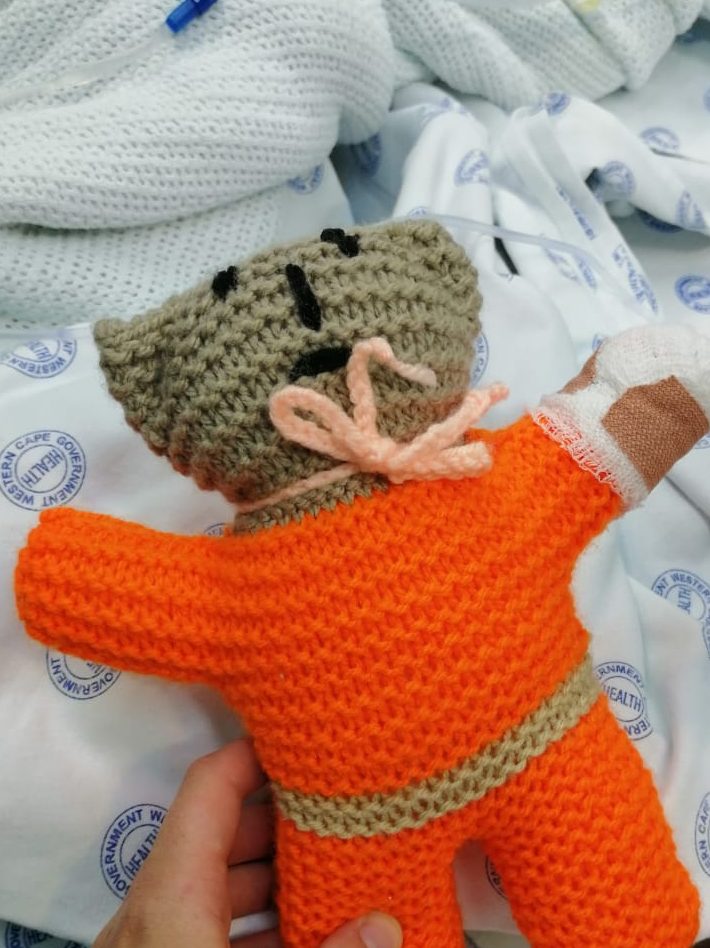
Calls are 24 hours long and quite frankly the worst part of my job. My personal opinion is that no one is made to think continuously for that amount of time and one is always exhausted for the next few days, only to recover just in time for one’s next call. That being said, they are an incredible opportunity for learning as there are less seniors around and so you have to grow in making clinical decisions while improving your skills in the operating room. (Check out my recipe for post call pasta here).
For a surgeon, the best days are the ones that you get to spend in theatre. Theatre – a whole world of it’s own with interesting interperson dynamics, interdepartmental interaction and long hours of standing in many layers while slowly working towards fixing whatever has gone wrong in the body. I found theatre alternatively fascinating and mind-numbingly boring (which on some days is fantastic because that’s really all you have energy for).
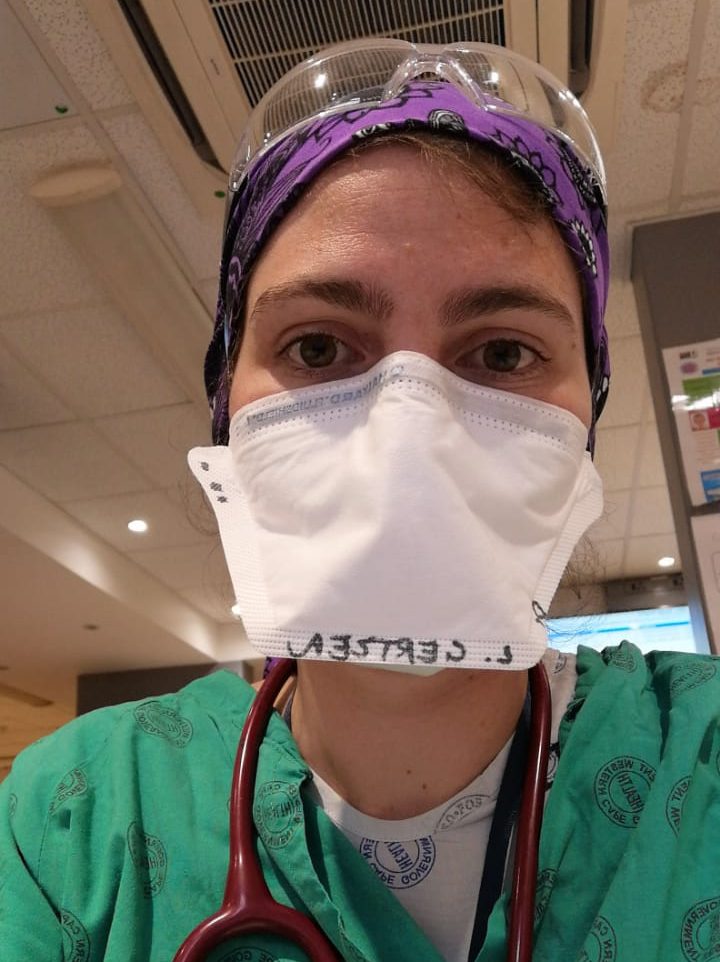
A typical day in surgery involved heading to the hospital for 7:45 handover. This entails the “on call” team informing everyone else of the patients that had been admitted during the night, if any patients had passed away, whether we were still expecting some referrals to arrive from the district hospital, and generally how the night had gone. This would often lead into the discussion of management of different conditions. From there, everyone would disperse to start the day. Some of the team went to theatre for the day’s surgeries, others went to clinic to see follow up patients and new patients that need surgical review and most of us headed to the wards. In the wards, you start seeing patients. Read through the notes so you understand what the patient is there for and any other relevant information. Chat to the patient and then examine them to determine any change in their condition. Read through the nursing notes to find out how the patient has been (very helpful with confused or very sick patients who cannot tell you themselves). Look at the trends of the heart, rate, blood pressure, temperatures, breathing rate and any other specific monitored signs of the patient including checking blood results. Make an assessment of how the patient is doing and then a plan on the way forward. Then repeat with the next patient until everyone has been seen. After a ward round where everyone else on the team is informed on the patients conditions and the plan is reviewed/changed by a senior doctor. All those plans need to be put into action which essentially becomes the rest of the day’s work. The on call team sees any new patients that are referred from the emergency center or other hospitals. Rinse, repeat.
Overall, it was a great rotation with lots of opportunity for personal and professional growth while working in a supportive team environment.
Let me know if there’s any specific questions you have on my first part of internship.
Questions answered:
What surgical procedures did you master?
I’m not sure I mastered anything in the time frame but my suturing skills improved vastly, I almost always remember to put on my protective eye wear before I start scrubbing, I’ve gotten quite skilled at holding body parts in various poses to allow the main surgeon the best access, and my ability to poke wounds with pus squishing out while not gagging has drastically improved. I’m very thankful that masks hide my facial expressions.
What advice would you give someone going into the surgery rotation?
Read up a bit about wound care and dressings. It’s so vital to the recovery of the patient, yet I personally didn’t know much about it. Simple things like: when should this type of suture material be taken out? How long do different types of tissues take to heal? Patients want to know practical advice about this wound; the most common question being “Can I shower with the bandage? How do I wash the wound?”. If you have good wound care Sisters at your hospital, get them to show you how they care for wounds.
Also, practise tying your surgical knots with gloves on
What surprised you the most from being an intern compared to a student?
The amount of weight that your words carry. There’s a massive level of trust that gets placed in you, both by the patients and by the senior doctors. Decisions on care are made on what your judgement of the situation is, with no-one double-checking why you made that assessment.
Great blog! Never stop learning Laura.
What surgical procedures did you master?
Thanks mom 🙂
I really enjoy your writing, Laura, and I appreciate the similarities and differences with us rotating through the same block and yet in wildly different settings.
What advice would you give someone going into the surgery rotation? What surprised you the most from being an intern compared to a student?
I really experienced a newfound appreciation for surgeons and their vital role in patient care. And Laura, you know how I feel about surgeons…
Thanks Elouise! I do know your opinions on surgeons so I’m glad there were some positive experiences amongst the chaos. It’s pity we head into different blocks now. I’ve also greatly enjoyed hearing how things happen in a much busier, less resourced setting
So great, Lau! Keep blogging. Really great reading about your thoughts and experiences.
Thanks Jules! I’ve been enjoying it immensely